
Embracing Clean Language to Enhance Agile Communication
Years ago, I was introduced to Clean Language through Olaf Levitz and Judy Rees. Initially intrigued, I soon realized it’s a powerful tool to transform coaching and facilitate effective communication.
During a U-Lab session in Heidelberg, we conducted personal development coaching within small groups. Sitting in a circle, each coach led a five-minute session. I saw this as a perfect moment to apply Clean Language.
The client was passionate about a sustainability project but felt judged by colleagues, creating a mental barrier. I asked simple, open questions:
- What is your project like? — “It’s like the Garden of Eden with lush plants and vibrant flowers.”
- Where are you in this garden? — “I’m in the middle of it.”
- What’s happening while you’re there? — “I feel peaceful and at home.”
- Where are your colleagues? — “They’re on the border.”
This generated a moment of insight—visible in his eyes and body language—a powerful shift often seen in agile practices.
Agility Beyond Software
Many associate Agile with software development. It’s fundamentally about navigating complexity. This is a phase in systems dynamics where traditional control techniques fall short. Agile embraces systems that are self-managed, adaptable, and innovative—challenging conventional leadership. Effective Agile leaders create the conditions for such dynamics, fostering co-creation and collective problem-solving.
In my view, Agile is primarily about the behavior of individuals within a system—motivated, engaged, and self-directed. Managers serve, and leaders act as constructive irritants, resonating with these systems.
Diverse Mindsets and the Power of Questions
I have delivered similar workshops for years. During one of these sessions, I asked the Agile community a simple question. This question was profound. “What kind of Agile is your Agile?”
Responses often include words like “freedom,” “expression,” and “sense-making”—highlighting that Agile is a mindset, culturally infused and diverse. This question underscores a core superpower: ‘I am responsible for my own change.’ When asked about their enterprise, people’s reactions reveal their mindset, often shifting from fear to empowerment.
Communication as the Heart of Agile
Effective communication is the key metric of an Agile system. Regular interactions—like daily stand-ups—focus on negotiation and alignment. Each stakeholder’s needs are mutually addressed. This is what I call “win-win-win” for customers, management, and developers.
To avoid misunderstandings, we use tools like icebreakers, user stories, and customer journeys. Though not “clean,” these methods serve to facilitate clearer expression.
The Role of Games and Metaphors
Games are powerful exercises in metaphorical thinking. When I train on project management across diverse teams, I use simple, relatable metaphors. These include analogies like Martians visiting Australia or drawing how to make toast. They effectively bypass language barriers.
A notable example involved a five-day scope planning session with 150 people for SAP. In this session, participants drew “how to make toast” individually. They also did it in pairs and collaboratively. This approach followed an Agile systems dynamic model. It moved from chaos to complexity to clarity. This resulted in highly engaged teams and tangible outcomes.
Improving Team Communication Through Clean Language
Two years ago, I coached a globally dispersed team. I noticed that communication gaps existed despite daily meetings. Introducing Clean Language helped me express ideas more clearly and listen more deeply.
Encouraged by the results, I incorporated Clean Language into team retrospectives. We used prompts like, “And what was your sprint?” to elicit stories, which fostered openness and deeper reflection. This led to more collaborative and insightful sessions.
Metaphors as Keys to Clarity
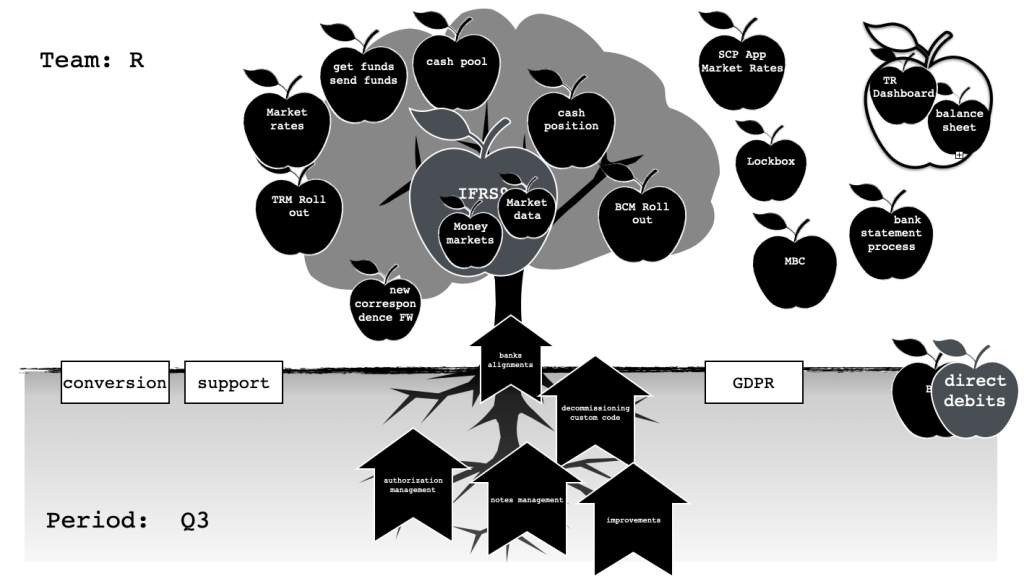
Using metaphors like “apple trees” or “speed boats” helps teams visualize their work and feelings. For example, an Agile “harvesting day” replaced the fear around release deadlines, fostering a sense of shared achievement. Similarly, a team member described feeling like a “flying saucer.” This metaphor represented chaos and unpredictability. It made communication more effective in a multicultural environment.
Stakeholders and Shared Language
In Agile, stakeholders often speak different “languages” due to varied backgrounds and cultures. Common symbolic terms bridge these gaps:
- Customer journey instead of scope
- User story instead of requirements
- Sprints as iterations
- Spikes for investigations
- Swarm projects for quick tests
These metaphors create a shared understanding, facilitating smoother collaboration.
Summary
While I use Clean Language primarily in coaching, its principles profoundly enhance Agile communication. Technical teams rely on metaphors and stories; final reports often include visuals and narratives—not just words. Powerfully simple, metaphors shape clarity, foster trust, and unlock collective creativity in complex environments.

 AO – Adaptive Organizations
Leave a comment